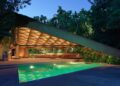
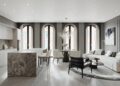
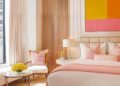
Exploring the world of modular design with insights from Potters Interiors, this piece delves into the innovative ways in which this approach can transform interior spaces. From maximizing functionality to elevating aesthetics, discover the secrets behind successful modular design in the realm of interior decorating.
Detailing the core concepts and practical applications, this guide aims to inspire and inform those looking to infuse their spaces with a touch of modular magic.
Understanding Modular Design
Modular design in interior decorating involves creating interchangeable and flexible elements that can be easily rearranged or adjusted to suit different needs and preferences.
Benefits of Modular Design
- Flexibility: Modular design allows for easy customization and adaptation to changing requirements, making it ideal for spaces with varied functions.
- Space-saving: By utilizing modular furniture and fixtures, you can maximize the use of available space and avoid clutter.
- Cost-effective: Investing in modular pieces can be more economical in the long run as they can be repurposed or expanded as needed.
- Visual appeal: Modular elements can add a contemporary and sleek look to interiors, enhancing the overall aesthetics of a space.
Examples of Modular Design
Modular shelving units that can be configured in different layouts to accommodate books, decor items, and storage boxes.
Modular seating systems that can be rearranged to create various seating arrangements depending on the number of guests or the function of the space.
Modular kitchen cabinets with interchangeable components that allow for efficient storage and organization based on individual preferences.
Principles of Modular Design

Modular design is guided by several key principles that help ensure the success of the design approach. These principles form the foundation for creating flexible, scalable, and efficient designs that can easily adapt to changing needs and requirements.At Potters Interiors, these principles are meticulously applied to all their design projects to deliver innovative and functional spaces that meet the unique preferences of their clients.
By following these principles, Potters Interiors can create modular designs that are not only aesthetically pleasing but also highly practical and user-friendly.
Scalability and Flexibility
- Modular design allows for easy scalability, enabling spaces to grow or shrink based on changing needs.
- Flexibility is key, as modular components can be rearranged or replaced to accommodate different functions or layouts.
- Potters Interiors leverages this principle by designing furniture and fixtures that can be easily modified or expanded as required.
Standardization and Interchangeability
- Standardization of components ensures consistency and compatibility across different modules, simplifying assembly and maintenance.
- Interchangeability allows components to be swapped out or upgraded without disrupting the overall design.
- Potters Interiors uses standardized modules to create cohesive designs that are both visually appealing and cost-effective.
Efficiency and Sustainability
- Modular design promotes efficient use of materials and resources, reducing waste and environmental impact.
- By designing with sustainability in mind, Potters Interiors aims to create long-lasting and eco-friendly solutions for their clients.
- Efficiency in production and installation is achieved through the use of modular components that can be easily assembled on-site.
Comparison with Traditional Design Approaches
- Unlike traditional design approaches, modular design offers greater flexibility and adaptability to changing needs.
- Traditional designs are often rigid and fixed, making it challenging to make alterations or additions without significant disruptions.
- Potters Interiors' embrace of modular design allows them to deliver customized solutions that can evolve with their clients' requirements over time.
Implementing Modular Design in Interiors
Implementing modular design in interiors is a great way to maximize space efficiency and create versatile living areas that can adapt to different needs. By incorporating modular furniture and fixtures, you can easily transform a room to suit various functions without the need for major renovations.
Here are some tips on how to effectively implement modular design in interior spaces:
Utilize Multifunctional Furniture
One of the key aspects of modular design is using multifunctional furniture pieces that serve more than one purpose. For example, a sofa bed can be used as seating during the day and transformed into a bed for guests at night.
This not only saves space but also adds flexibility to the room.
Modular Shelving Systems
Modular shelving systems are a great way to add storage space while maintaining a sleek and organized look. These systems can be easily customized and rearranged to accommodate different items, making them ideal for living rooms, home offices, or even bedrooms.
Flexible Room Dividers
Room dividers can be used to create separate zones within a room without the need for permanent walls. Opt for modular room dividers that can be easily moved or adjusted to change the layout of the space as needed. This is especially useful in open-concept living areas.
Adaptable Lighting Fixtures
Lighting plays a crucial role in interior design, and using modular lighting fixtures can help create different moods and atmospheres in a room. Consider adjustable pendant lights, track lighting, or floor lamps that can be repositioned to highlight different areas or change the ambiance.
Customizing Modular Design
When it comes to customizing modular design for specific interior needs, the process involves tailoring pre-designed modular pieces to fit the unique requirements of a space. This allows for a more personalized and functional approach to interior design.
Personalizing Modular Elements
One innovative way to personalize modular elements in interiors is by mixing and matching different modules to create a unique configuration. This can involve combining colors, textures, and shapes to reflect the individual style and preferences of the homeowner.
Importance of Balance and Cohesion
Ensuring balance and cohesion is essential when customizing modular designs to maintain a harmonious look throughout the space. This can be achieved by selecting complementary elements, maintaining a consistent design language, and considering the overall flow and functionality of the space.
Conclusion
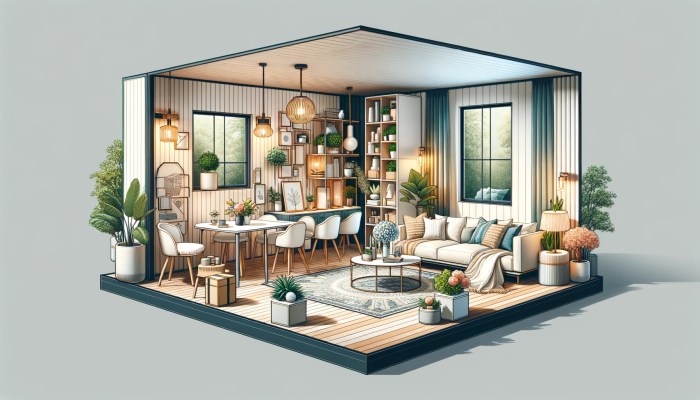
In conclusion, Modular Design Tips from Potters Interiors offers a glimpse into the art of creating versatile and stylish interiors. By following the principles and tips shared here, you can unlock the potential of modular design to craft spaces that are both functional and visually appealing.
Query Resolution
How can modular design enhance functionality in interiors?
Modular design allows for flexibility and adaptability, making it easier to reconfigure spaces based on changing needs.
What sets modular design apart from other design approaches?
Modular design focuses on creating interchangeable components that can be combined in various ways, offering unmatched versatility.
Is it possible to customize modular pieces for specific design needs?
Yes, modular pieces can be tailored to fit unique requirements, ensuring a personalized touch in interior design.