Exploring the fusion of tradition and innovation in architecture, this piece delves into the intriguing world of Alexander Brodsky's unique design approach. From traditional elements to groundbreaking techniques, Brodsky's work offers a captivating blend of the old and the new, shaping the future of architectural creativity.
Background of Alexander Brodsky
Alexander Brodsky is a renowned Russian architect known for his unique approach to blending tradition with innovation in his architectural designs. With a career spanning several decades, Brodsky has made a significant impact on the architectural landscape, both in Russia and internationally.
Architectural Career
- After co-founding the "Paper Architects" group in the 1980s, Brodsky gained recognition for his conceptual projects that challenged traditional architectural norms.
- He is known for his use of unconventional materials, such as paper, wood, and found objects, to create thought-provoking structures that push the boundaries of design.
- Brodsky's work often incorporates elements of Russian folklore and history, adding layers of meaning and cultural significance to his architecture.
Design Style
- Brodsky's design style is characterized by a sense of whimsy and playfulness, combined with a deep respect for tradition and heritage.
- His buildings often feature intricate details and craftsmanship, reflecting his appreciation for handmade and artisanal techniques.
- While his work may appear whimsical at first glance, it is underpinned by a strong conceptual framework that challenges the viewer to think differently about architecture.
Influences
- Brodsky's work is influenced by his Russian heritage, as well as by the works of other avant-garde architects such as Le Corbusier and Frank Gehry.
- He draws inspiration from the urban environment of Moscow, where he is based, as well as from the rich artistic traditions of the region.
- Historical Russian architecture, with its intricate patterns and ornate detailing, also plays a significant role in shaping Brodsky's design aesthetic.
Traditional Elements in Brodsky's Work
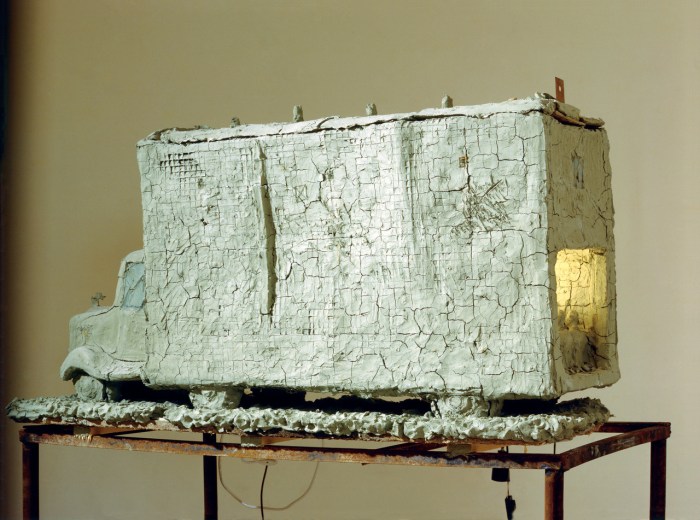
Alexander Brodsky is known for seamlessly blending traditional architectural elements into his modern designs, creating a unique and timeless aesthetic.
Incorporation of Traditional Motifs
One way Brodsky incorporates traditional elements is through the use of intricate motifs inspired by Russian folklore and history. These motifs can be seen in the detailed carvings on facades or the ornate patterns in his interior designs.
Utilization of Traditional Materials
Brodsky also pays homage to tradition by using materials such as wood, clay, and stone in his projects. These natural materials not only add a sense of authenticity to his work but also contribute to the sustainability and longevity of the structures.
Significance of Tradition in Modern Architecture
Preserving tradition in modern architecture is essential as it helps connect the past with the present, creating a sense of continuity and cultural identity. By incorporating traditional elements, architects like Brodsky honor the heritage of the region and add depth and richness to contemporary designs.
Innovative Approaches by Alexander Brodsky
Alexander Brodsky is known for his innovative approaches in blending tradition with contemporary design elements in his architectural projects. His work often challenges conventional norms and pushes boundaries in the field of architecture.
Use of Recycled Materials
One of the innovative techniques employed by Brodsky is his use of recycled materials in his projects. He repurposes materials like reclaimed wood, metal scraps, and old bricks to create unique structures with a sustainable approach.
Surrealism and Illusion
Brodsky often incorporates elements of surrealism and illusion in his designs, creating buildings that challenge the viewer's perception of space and form. By playing with scale, proportion, and perspective, he introduces a sense of whimsy and fantasy into his architectural creations.
Experimental Spatial Configurations
In his work, Brodsky experiments with unconventional spatial configurations and layouts, breaking away from traditional architectural norms. He designs structures that defy expectations, creating unexpected and thought-provoking spaces for inhabitants and visitors alike.
Impact of Brodsky's Blending of Tradition and Innovation
Alexander Brodsky's architectural projects that combine tradition and innovation have been met with widespread acclaim and interest in the architectural community. His unique approach to blending historical elements with modern design techniques has sparked conversations and admiration among architects and enthusiasts alike.
Reception of Brodsky's Work
Architectural critics and professionals have praised Brodsky's work for its ability to evoke a sense of nostalgia while pushing the boundaries of contemporary architecture. The seamless integration of traditional and innovative elements in his projects has garnered attention and recognition on a global scale.
Influence on the Architectural Community
- Brodsky's approach has inspired a new wave of architects to explore the possibilities of combining tradition with innovation in their own work.
- Architectural firms and educational institutions have started incorporating Brodsky's principles into their teachings and designs, leading to a shift towards more eclectic and culturally rich architectural projects.
- His influence can be seen in the growing trend of adaptive reuse and preservation of historical structures in contemporary architecture.
Inspiration for Future Architects
- Young architects are looking to Brodsky's work as a source of inspiration and guidance in their creative endeavors.
- His ability to honor the past while embracing the future serves as a powerful example for aspiring architects who seek to create meaningful and impactful designs.
- Brodsky's work encourages future architects to explore their heritage and cultural identity, infusing it with modern techniques to create timeless architectural masterpieces.
Concluding Remarks
In conclusion, Alexander Brodsky's seamless integration of tradition and innovation not only captivates audiences but also paves the way for a new era of architectural exploration. His ability to balance the past with the future sets a remarkable example for aspiring architects worldwide, inspiring them to push boundaries and redefine the essence of design.
Clarifying Questions
How does Alexander Brodsky incorporate traditional elements into his designs?
Alexander Brodsky infuses traditional architectural elements through the use of materials like wood and stone, as well as incorporating motifs inspired by historical structures.
What innovative techniques does Brodsky employ in his projects?
Brodsky often challenges conventions by experimenting with unconventional forms and materials, creating unexpected spatial experiences in his designs.
What is the impact of Brodsky's approach on the architectural community?
Brodsky's unique blend of tradition and innovation has sparked conversations in the architectural world, encouraging a reevaluation of design principles and pushing boundaries of creativity.