Stepping into the world of modern architecture, Lautner House stands tall as a beacon of innovation and design excellence. This iconic structure, envisioned by the visionary architect John Lautner, is not just a house but a symbol of architectural brilliance.
Let's delve into the captivating story behind Lautner House and uncover the secrets of its timeless appeal.
Introduction to Lautner House
The Lautner House, designed by renowned architect John Lautner, is a true masterpiece of modern architecture that has left a lasting impact on the architectural world. Situated in Los Angeles, California, this iconic house has a rich history and a unique design that sets it apart from traditional structures.John Lautner, known for his innovative and forward-thinking approach to architecture, designed the Lautner House in 1948 for a couple who wanted a home that embraced the natural surroundings and offered a sense of openness and connection to the environment.
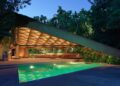
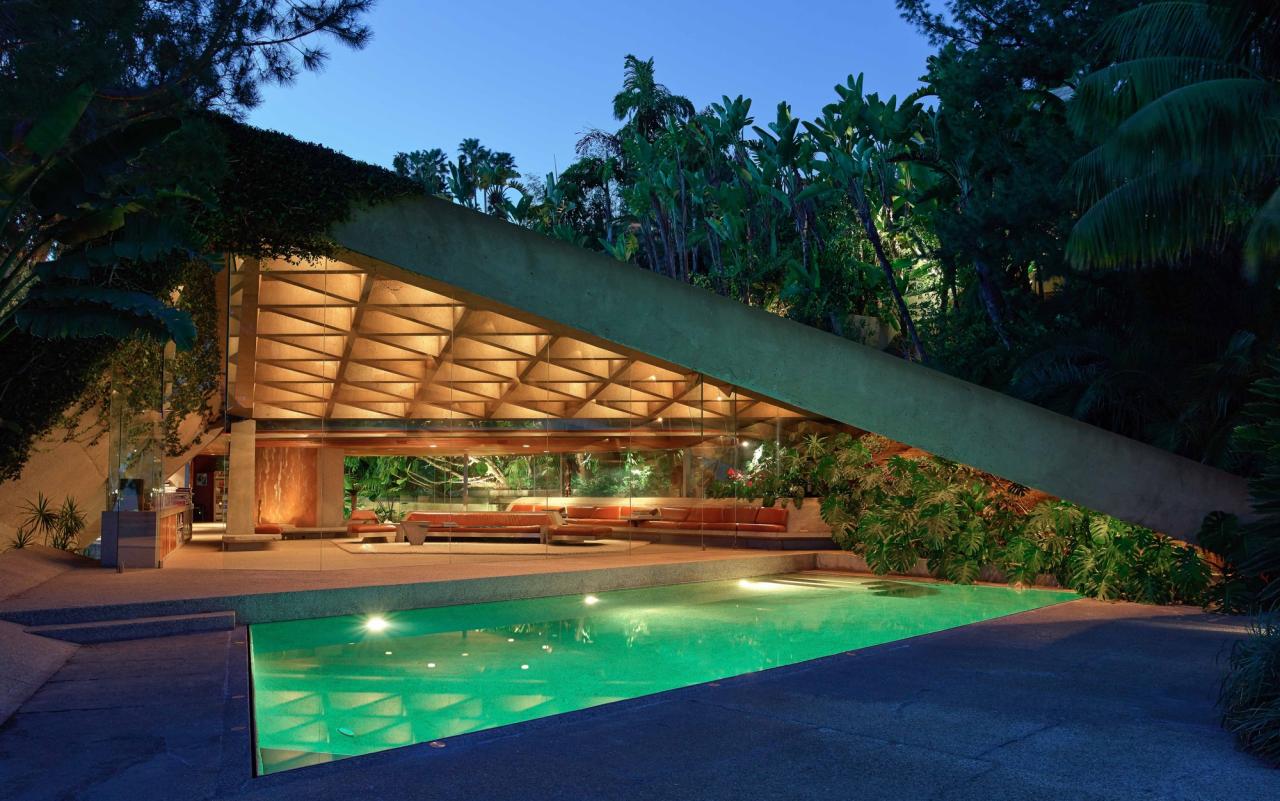
The house showcases Lautner's signature style, characterized by organic forms, open spaces, and a harmonious blend of indoor and outdoor living.The Lautner House is considered a masterpiece of modern architecture due to its innovative design elements, such as the dramatic concrete roof that seems to defy gravity, the use of floor-to-ceiling glass walls that blur the boundaries between interior and exterior spaces, and the integration of natural elements like rocks and trees into the structure.
Significance of John Lautner in the Design
John Lautner's vision and creativity are evident in every aspect of the Lautner House. His ability to push the boundaries of architectural norms and create spaces that evoke a sense of wonder and harmony with nature is what sets him apart as a true master of his craft.
Lautner's influence can be seen in the way the house seamlessly integrates with its surroundings, creating a sense of unity between the built environment and the natural landscape.The innovative use of materials, the attention to detail, and the focus on creating a living space that is both functional and aesthetically pleasing are all hallmarks of Lautner's design philosophy.
The Lautner House stands as a testament to his genius and continues to inspire architects and design enthusiasts around the world.
Architectural Features of Lautner House
The Lautner House, designed by renowned architect John Lautner, showcases several unique architectural features that set it apart from traditional residential designs.
Organic Architecture
The Lautner House is a prime example of organic architecture, seamlessly blending with its natural surroundings. The house's design mimics the shape of the hillside it is built on, creating a harmonious connection between the structure and the environment.
Open Floor Plan
Featuring an open floor plan, the Lautner House eliminates barriers between indoor and outdoor spaces. Large windows and sliding glass doors allow natural light to flood the interior, creating a sense of openness and connection to the surrounding landscape.
Concrete and Wood Elements
The materials used in the construction of the Lautner House include concrete and wood, adding to its modern aesthetic. Concrete walls provide stability and a sleek finish, while wood accents bring warmth and texture to the design.
Innovative Roof Design
One of the most striking features of the Lautner House is its innovative roof design. The house boasts a hyperbolic paraboloid roof, which not only serves a structural purpose but also adds a sculptural element to the architecture.
Integration of Technology
Unlike traditional residential architecture, the Lautner House incorporates cutting-edge technology and design principles. From automated systems for climate control to advanced lighting solutions, the house seamlessly integrates technology into its modern design.
Interior Design and Layout
The interior design of the Lautner House is a true reflection of modern architectural elegance, showcasing innovative design elements that enhance the overall living experience.
Open Concept Layout
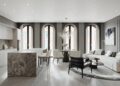
The house features an open concept layout that seamlessly integrates the living, dining, and kitchen areas, creating a sense of spaciousness and connectivity. This layout allows for natural light to flood the interior spaces, providing a welcoming and airy atmosphere.
Use of Organic Materials
Lautner House incorporates a variety of organic materials such as wood, stone, and glass, creating a harmonious blend of textures and finishes. The use of these materials adds warmth and character to the interior spaces, making them both visually appealing and inviting.
Innovative Lighting Solutions
One of the standout features of the interior design is the innovative lighting solutions implemented throughout the house. From strategically placed skylights to hidden LED strips, the lighting design not only illuminates the space but also highlights architectural details and creates ambiance.
Integration of Nature
The layout of the house seamlessly integrates indoor and outdoor spaces, blurring the boundaries between the two. Floor-to-ceiling windows and sliding glass doors offer breathtaking views of the surrounding landscape, allowing residents to feel connected to nature at all times.
Minimalist Furnishings
The interior design of the Lautner House embraces a minimalist approach to furnishings, with clean lines and simple forms that complement the architectural elements. The thoughtful selection of furniture pieces enhances the overall aesthetic of the space while maintaining a sense of tranquility and sophistication.
Influence on Modern Architecture
The Lautner House, with its innovative design and architectural features, has had a significant influence on contemporary architectural trends worldwide.
Design Principles Comparison
When comparing the design principles of the Lautner House with other iconic modern architectural masterpieces such as the Fallingwater by Frank Lloyd Wright or the Guggenheim Museum by Frank Gehry, some similarities can be observed. The focus on blending the structure with its natural surroundings, the use of organic forms, and the integration of innovative building materials are common elements that define these architectural masterpieces.
Global Inspiration
The Lautner House has inspired architects and designers globally by showcasing the possibilities of pushing the boundaries of traditional architecture. Its unique approach to spatial design, use of natural light, and seamless indoor-outdoor integration have served as a source of inspiration for contemporary projects around the world.
Architects and designers continue to draw inspiration from the Lautner House's innovative concepts and sustainable design practices, influencing the evolution of modern architecture.
Final Review
In conclusion, Lautner House: A Masterpiece of Modern Architecture transcends mere bricks and mortar. It represents a fusion of creativity, functionality, and artistic vision that continues to inspire architects and enthusiasts alike. As we bid farewell to this architectural marvel, its legacy remains etched in the annals of modern design, a testament to the enduring power of innovative architecture.
Commonly Asked Questions
What makes Lautner House unique?
Lautner House stands out for its innovative design elements, futuristic approach, and seamless integration with the surrounding landscape.
How has Lautner House influenced modern architecture?
Lautner House has left an indelible mark on contemporary architectural trends, inspiring architects worldwide to push the boundaries of design.
What materials were used in constructing Lautner House?
Lautner House features a blend of concrete, steel, and glass, creating a striking visual appeal and structural strength.