Delving into Unity Temple by Frank Lloyd Wright: Architectural Highlights, this introduction immerses readers in a unique and compelling narrative, with engaging language that is both informative and thought-provoking.
Exploring the architectural wonders of Unity Temple, we uncover the genius of Frank Lloyd Wright's design and its impact on modern architecture.
Architectural Style of Unity Temple
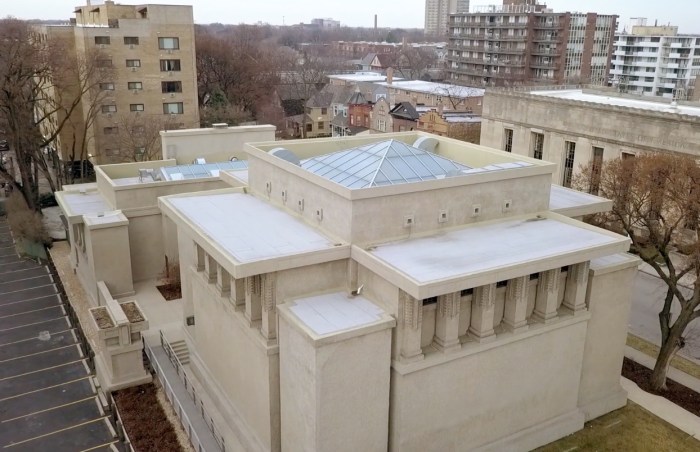
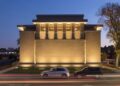
Unity Temple, designed by Frank Lloyd Wright, showcases a unique architectural style that deviates from traditional religious buildings. The innovative design of Unity Temple demonstrates Wright's forward-thinking approach to architecture and his commitment to modernist principles.
Unique Architectural Elements
Unity Temple is characterized by its use of reinforced concrete, which was a novel material at the time of construction in 1905. The building features bold geometric forms, clean lines, and flat roofs, all hallmarks of Wright's Prairie School style.
The interior of Unity Temple is marked by open spaces, natural light, and a sense of harmony between the structure and its surroundings.
Divergence from Traditional Religious Buildings
Unlike traditional religious buildings that often emphasize grandeur and ornamentation, Unity Temple focuses on simplicity, functionality, and the integration of nature. The absence of traditional religious symbols and the use of unconventional materials reflect Wright's belief in creating architecture that is both modern and functional.
Unity Temple challenges the conventional notion of what a religious building should look like, paving the way for future architectural innovations.
Interior Design of Unity Temple
Unity Temple, designed by Frank Lloyd Wright, is known for its innovative interior design that reflects Wright's principles of organic architecture. The interior of the temple showcases a harmonious blend of form, function, and aesthetics, creating a serene and contemplative space for worship and community gatherings.
Natural Light Integration
One of the most striking features of Unity Temple's interior design is how Frank Lloyd Wright incorporated natural light into the space. The temple's skylights and clerestory windows allow ample sunlight to filter into the interior, creating a warm and inviting atmosphere.
Wright strategically placed these openings to illuminate specific areas of the temple, emphasizing the architectural details and creating a play of light and shadow throughout the day.
Materials and Colors
In enhancing the interior aesthetics of Unity Temple, Frank Lloyd Wright utilized a combination of materials and colors that complemented the overall design concept. The use of exposed concrete, wood, and stained glass windows creates a sense of unity and harmony within the space.
The earthy tones of the materials, combined with the rich hues of the stained glass, evoke a sense of tranquility and spirituality, enhancing the worship experience for visitors.
Structural Innovations in Unity Temple
Unity Temple, designed by Frank Lloyd Wright, showcases several structural innovations that set it apart from other buildings of its time. These innovations not only contributed to the uniqueness of the building but also enhanced its overall design and functionality.
Cantilevered Balcony
The cantilevered balcony in Unity Temple is a striking feature that demonstrates Wright's innovative approach to structural design. By extending the balcony without the need for visible supports, Wright created a sense of openness and spaciousness in the interior space.
Exposed Concrete
Wright's use of exposed concrete in Unity Temple was a departure from traditional building materials of the era. The exposed concrete not only provided a modern aesthetic but also served a structural function, allowing for long spans and open floor plans
Skylights
The incorporation of skylights in Unity Temple was another innovative structural element that allowed natural light to flood the interior spaces. This not only reduced the need for artificial lighting but also created a connection to the outdoors, enhancing the overall ambiance of the building.
Reinforced Concrete Construction
Unity Temple was one of the first buildings to use reinforced concrete construction in such a prominent way. This structural innovation allowed for greater flexibility in design and enabled Wright to create the unique geometric forms that define the building.
Comparison with Contemporary Buildings
When compared to other buildings of the same era, the structural elements of Unity Temple stand out for their forward-thinking design and innovative use of materials. While traditional buildings relied on heavy masonry construction, Unity Temple embraced modern materials and construction techniques, setting a new standard for architectural innovation.
Significance of Unity Temple in Architectural History
Unity Temple, designed by Frank Lloyd Wright, holds a significant place in architectural history due to its groundbreaking design and innovative approach to religious building design.
Revolutionizing Religious Building Design
Unity Temple revolutionized religious building design by breaking away from traditional architectural conventions. Unlike typical churches of the time, Unity Temple eliminated the use of traditional Gothic or Romanesque elements and instead focused on simplicity, functionality, and harmony with nature.
This departure from the norm marked a shift in architectural thinking and paved the way for modern architectural styles.
Impact on the Architectural World
The impact of Unity Temple on the architectural world cannot be overstated. Its unique design, use of materials, and integration of natural light set a new standard for architectural excellence. Architects and designers around the world were inspired by Wright's innovative approach and began to explore new possibilities in architectural design.
Lasting Legacy and Influence on Modern Architecture
The lasting legacy of Unity Temple can be seen in its influence on modern architecture. Its emphasis on open spaces, natural light, and geometric forms has influenced countless architects and designers. The principles embodied in Unity Temple continue to shape the way we think about architecture and design today, making it a timeless masterpiece that will always hold a special place in architectural history.
Last Word
In conclusion, Unity Temple by Frank Lloyd Wright stands as a testament to innovative architectural design, leaving a lasting legacy in the world of architecture.
FAQ Compilation
What architectural style did Frank Lloyd Wright use in designing Unity Temple?
Frank Lloyd Wright used the Prairie School style in designing Unity Temple, characterized by horizontal lines and natural materials.
How did Frank Lloyd Wright incorporate natural light into the interior design of Unity Temple?
Wright utilized skylights and clerestory windows to bring in natural light, creating a serene atmosphere within the temple.
What specific structural innovations did Frank Lloyd Wright implement in Unity Temple?
Wright introduced the use of reinforced concrete and cantilevered balconies as structural innovations in Unity Temple, setting it apart from traditional designs.
What impact did Unity Temple have on the architectural world?
Unity Temple revolutionized religious building design, inspiring future architects and leaving a mark on modern architecture with its innovative approach.